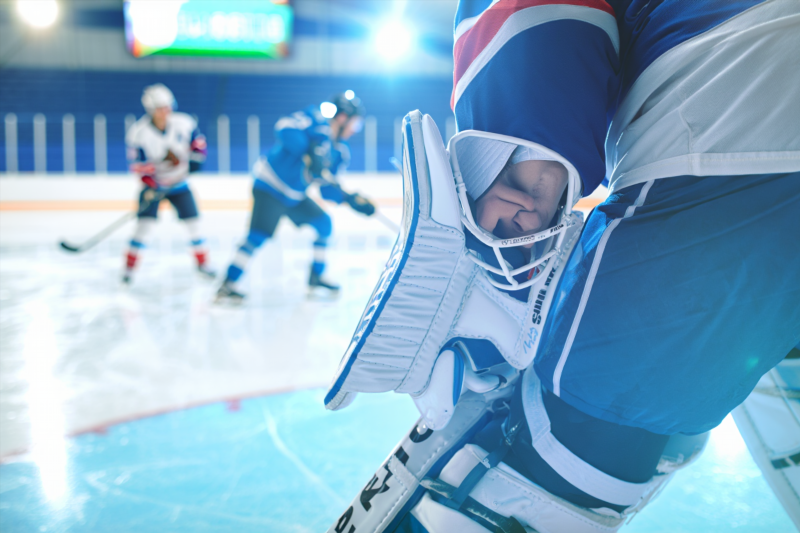
Why Puck Control by Goalies Trumps Traditional Defense Tactics
Why Puck Control by Goalies Trumps Traditional Defense Tactics *Uncover the strategic advantage of goaltender puck handling in modern hockey — preventing turnovers, launching offensive plays, and revolutionizing team defense.*
Traditional hockey defense focused heavily on positioning, shot-blocking, and clearing pucks out of danger zones. However, recent advancements in gameplay, driven by tactical innovation and analytics, highlight a new hero — the goaltender who handles the puck. This shift signifies a strategic revolution that elevates the team’s overall performance and creates offensive opportunities right from the back.
Today, puck control by goalies isn’t just a safety valve; it’s a critical weapon that can dictate the tempo of the game, prevent costly turnovers, and even initiate offensive sequences. RinkMajesty Network explores how this shift enhances team strategy and why it trumps many traditional defensive tactics.
The Rise of Goaltender Puck Handling as a Tactical Weapon
1. Preventing Costly Turnovers and Defensive Breakdowns
Traditional defense often relies on clearing the puck or passing to defensemen. While effective, these methods sometimes lead to turnovers, especially against aggressive forechecking teams.
Goalie puck handling reduces this risk by allowing the goaltender to act as a secondary playmaker. By confidently handling the puck behind the net or in the corners, the goalie can:
- Clear the puck safely to start controlled offensive pushes
- Reduce turnovers deep in the defensive zone
- Maintain possession to force opponents out of their attacking rhythm
This proactive approach effectively turns the goalie into a “safety valve” that keeps play under control, eliminating dangerous turnovers that could lead to breakaways or odd-man rushes.
2. Creating Offensive Opportunities from the Back
A goalie with strong puck-handling skills transforms the defensive zone into a potential offensive zone. Instead of merely clearing the puck, they can:
- Carry the puck out and initiate breakout plays
- Find open teammates for quick, accurate outlet passes
- Push the puck up ice to catch opponents unprepared for a counterattack
Modern hockey analytics show a rise in goals originating from goaltender-driven plays, emphasizing how puck handling can be a game-changer in fast-paced, high-scoring environments.
3. Tactical Flexibility and Dynamic Defense
By controlling the puck, goalies add another strategic layer, enabling defenses to transition smoothly between defensive and offensive postures. This flexibility makes it harder for opponents to predict and intercept plays, thus increasing the chances of sustained puck possession and scoring chances.
How Goaltender Puck Handling Enhances Overall Team Strategy
| Benefit | Impact on Team Play |
| Turnover Prevention | Secure puck possession reduces opponent scoring chances. |
| Offensive Launchpad | Goalies become the first player in initiating quick counters and odd-man situations. |
| Tempo Control | Teams can dictate play pace, wearing down opponents or catching them off guard. |
| Psychological Edge | Confident puck handling undermines opponents’ confidence and forcing errors. |
4. Integrating Goalie Puck Handling into Coaching Concepts
Teams can develop the following strategies to maximize the advantage:
- Skill development: Focus on goalie mechanics such as quick decision-making, accurate outlet passes, and skating with the puck.
- Tactical training: Incorporate drills that simulate game scenarios requiring puck control under pressure.
- Game plan integration: Encourage goalies to recognize when to handle the puck versus when to clear or pass.
The Future of Defensive Play: Puck Handling as a Mainstay
As NHL and global leagues evolve, the importance of goalie puck control will only grow. With advanced performance analytics, coaching concepts, and technological training tools, teams are increasingly emphasizing puck handling skills in their development systems.
Sports science and skating science show that enhancing a goalie’s puck handling not only improves safety but also unlocks offensive potential, making it a core component of next-generation hockey systems.
Frequently Asked Questions (FAQs)
1. Is puck handling by goalies a new trend or has it always been part of the game?
While goalies have handled the puck historically, its tactical importance has surged recently with the advent of faster pace and analytics. Now, it’s a prominent element of team strategy rather than just a safety measure.
2. What skills do goalies need to excel at puck control?
Key skills include quick decision-making, accurate and powerful outlet passes, skating with puck control, and reading the game to anticipate opponents’ pressure.
3. How does goalie puck handling influence team scouting and player development?
Teams now prioritize puck-handling skills in their scouting and development systems, recognizing that goalies with strong puck control can elevate overall defensive and offensive play.
4. Are there risks associated with goalies handling the puck more frequently?
Yes, over-reliance can be risky if the goalie makes a poor decision under pressure. Proper training and tactical awareness are essential to mitigate these risks.
Understanding how goaltender puck handling has become a game-changing tactical weapon positions fans, analysts, and aspiring athletes at the forefront of modern hockey. It’s not just about preventing goals anymore; it’s about turning the last line of defense into a catalyst for offensive innovation.
Stay informed and elevate your hockey acumen by exploring advanced match breakdowns, performance analytics, coaching concepts, and the tactical evolution behind the gameplay. Harness the power of puck control — because in today’s hockey, the goalie’s stick is as much an offensive instrument as the forward’s shot.
Join RinkMajesty Network today—your ultimate resource for understanding the intricacies of elite hockey and the future of the game on and off the ice.