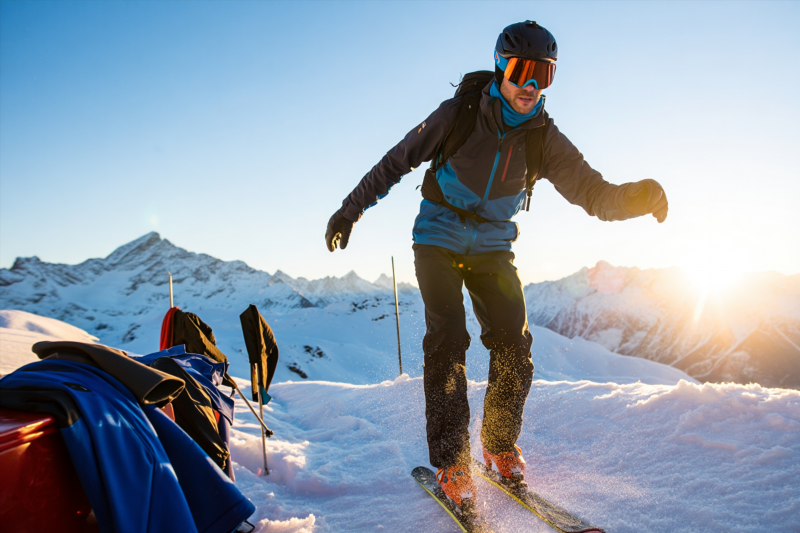
Sleep Travel Effects on Winter Sports Climate and Performance
Sleep, Travel, and Climate Effects on Winter Sports Performance
Navigating the icy terrains of winter sports requires more than just skill and determination — it demands optimal physical and mental readiness. Among the myriad factors influencing performance, sleep quality, travel conditions, and climate play pivotal roles. Understanding how these elements interact can be the difference between winning on the ice and facing unnecessary setbacks.
In this article, we delve into how travel and climate impact winter sport performance and share proven strategies to help athletes stay sharp, competitive, and enjoy every moment of their winter adventure.
The Science Behind Sleep and Performance in Winter Sports
Why Is Sleep Critical for Winter Athletes?
Sleep isn’t just rest; it’s the foundation of peak performance. For winter athletes, quality sleep:
- Enhances reaction times and coordination — vital for precision on skis, boards, or ice.
- Boosts mental clarity and decision-making during high-pressure moments.
- Aids tissue repair, recovery, and immune function, especially after intense training or travel.
Research indicates athletes who experience sleep deprivation have decreased strength, slowed reaction times, and impaired cognitive function — all detrimental in high-stakes winter sports.
How Travel Disrupts Sleep Patterns
Travel across multiple time zones, common in international competitions, causes jet lag, disturbing the body’s internal clock. Symptoms include:
- Fatigue and lethargy
- Sleep disturbances and insomnia
- Reduced alertness and focus
For winter sports athletes, this translates into decreased performance, risk of injury, and slower recovery.
Climate and Its Influence on Winter Sports Performance
The Impact of Cold Temperatures and Humidity
Different climates can challenge even seasoned athletes:
| Climate Factor | Effect on Performance | Strategies to Mitigate |
| Cold Temperatures | Impairs muscle flexibility and increases injury risk | Proper layered clothing, warm-up routines, and thermal gear |
| Humidity Levels | Affects hydration and thermoregulation | Hydrate adequately and dress in moisture-wicking fabrics |
| Wind Chill | Accelerates heat loss, leading to quicker fatigue | Wind-resistant clothing and shelter breaks |
Altitude and Air Quality Considerations
Higher altitudes and polluted environments can suppress oxygen intake, impairing endurance. Acclimatization and monitoring air quality are crucial for maintaining optimal performance.
Practical Strategies for Athletes: Staying Competitive Amidst Travel and Climate Challenges
To counteract the adverse effects of travel, climate, and disrupted sleep patterns, consider the following evidence-based strategies:
1. Optimize Sleep Hygiene
- Maintain a consistent sleep schedule, even during travel.
- Use blackout curtains and eye masks to simulate darkness.
- Limit screen exposure before bedtime to reduce blue light interference.
- Incorporate sleep aids or melatonin under medical supervision if needed.
2. Manage Travel Effectively
- Arrive early to allow body adjustment to new time zones.
- Stay hydrated and avoid alcohol or caffeine close to bedtime.
- Use strategic naps to combat fatigue without disrupting nighttime sleep.
- Consider light therapy to realign circadian rhythms.
3. Prepare for Climate Challenges
- Gear up with appropriate clothing layers tailored to weather conditions.
- Warm up thoroughly to keep muscles supple in cold environments.
- Stay hydrated — cold air can be dehydrating.
- Monitor weather forecasts and adjust plans accordingly to prevent exposure risks.
4. Plan Proper Nutrition and Hydration
- Consume carbohydrate-rich meals for sustained energy.
- Replenish electrolytes lost through sweat and respiration.
- Regular hydration to prevent fatigue and maintain thermoregulation.
Frequently Asked Questions (FAQs)
How does jet lag specifically affect winter sport performance?
Jet lag disrupts circadian rhythms, leading to sleep disturbances, decreased alertness, and impaired coordination — all crucial in winter sports that demand precision and quick reflexes.
Can climate conditions improve or worsen injury risks?
Absolutely. Cold temperatures can stiffen muscles, increasing injury risk, whereas dry air can dehydrate athletes, impacting endurance and recovery.
Is altitude training beneficial for winter sports athletes?
Yes, altitude training can improve oxygen efficiency. However, proper acclimatization is essential to prevent altitude sickness and performance dips.
Understanding how sleep, travel, and climate influence winter sports performance empowers athletes to develop smarter training and travel strategies. By prioritizing sleep hygiene, planning travel effectively, and preparing for environmental conditions, athletes can maintain peak performance levels, reduce injury risks, and fully enjoy their winter adventures.
Remember: preparation is key. Embrace science-backed strategies today to elevate your game and make every winter sports experience unforgettable.
Ready to optimize your winter performance? Start implementing these strategies now and stay ahead on and off the ice. For personalized insights and advanced coaching concepts, explore more at RinkMajesty Network — your ultimate hockey intelligence platform exploring elite player development, tactical evolution, and performance analytics.