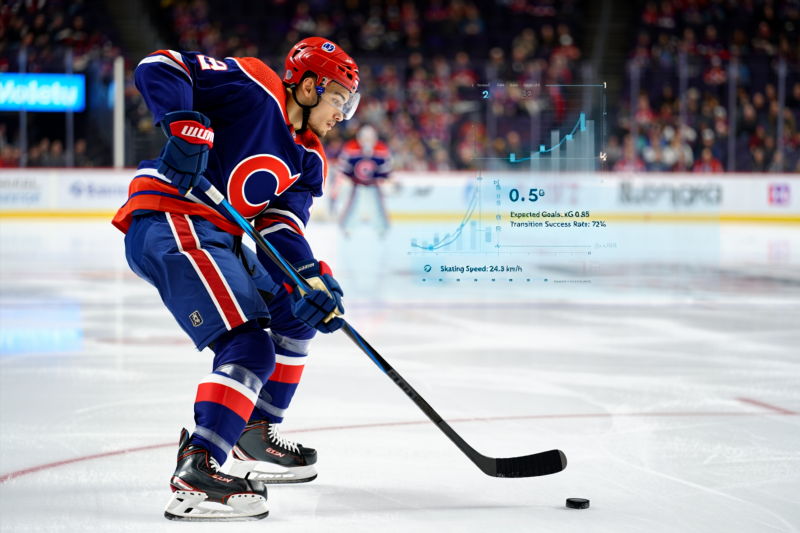
Player Efficiency Evaluation Using Modern MicroStats Techniques
In the rapidly evolving landscape of modern hockey, traditional statistics like goals, assists, and plus-minus no longer suffice for comprehensive player assessment. Today, the key to understanding an athlete’s true impact lies in MicroStats—advanced, granular metrics engineered to capture every nuance of on-ice performance. RinkMajesty Network, a premier hockey intelligence platform, emphasizes that leveraging these cutting-edge data points is essential for coaches, analysts, and players aiming for a competitive edge.
This article explores how to evaluate player efficiency effectively using Modern MicroStats Techniques, guiding you on integrating innovative performance analytics into your strategic decision-making.
What Are MicroStats? A New Paradigm in Player Evaluation
Definition and Importance
MicroStats are detailed, event-level statistics that quantify specific actions and decision-making patterns during gameplay. Unlike traditional stats, MicroStats measure the quality, context, and impact of each play, providing a multidimensional view of player performance.
Examples of MicroStats in Hockey
- Zone entries and exits success rate
- Shot quality metrics (expected goals, shot timing)
- Transition efficiency metrics
- Defensive coverage and recovery speed
- Playmaking precision and decision-making speed
- Skating mechanics and biomechanical metrics
Why MicroStats Matter
Utilizing MicroStats allows coaches and analysts to:
- Identify hidden strengths and weaknesses
- Predict future performance trends
- Optimize line combinations and tactics
- Enhance player development programs
How to Measure Player Efficiency with MicroStats: Key Techniques
1. Advanced Possession Metrics
Expected Possession (xP) and Canadian Impact Metrics measure how effectively a player maintains puck control and influences possession outcomes.
Implementation Tip: Use tracking data to evaluate how players sustain offensive pressure and recover defensively, filtering out noise from raw possession counts.
2. Contextual Shot Metrics
Moving beyond mere shot counts, modern analysis incorporates expected goals (xG), shot location, and shot quality metrics.
| MicroStat | Description | Practical Use |
| Shot Quality | Assesses the quality based on position, type, and situation | Determines true scoring threat vs. volume |
| Shot Creation | Tracks pass sequences leading to high-danger shots | Evaluates playmaking ability |
Pro Tip: Evaluate a player’s shot creation efficiency—how often their teammates get quality shots due to their on-ice actions.
3. Transition and Transition Efficiency
Transition Metrics analyze how quickly and effectively players move from defense to offense and vice versa, factoring in pace and decision-making.
Methods include:
- Transition success rate: Percentage of successful zone exits/entries
- Transition speed: Time taken to switch game states
4. Defensive Impact MicroStats
Use metrics like Zone Recovery Rate and Defense Positioning Accuracy to quantify defensive efficiency.
Insight: The faster a player recovers and gets back into defensive position, the more efficient their overall game.
5. Skating Mechanics and Biomechanics
Incorporate data from high-speed tracking and biomechanical analysis to evaluate skating efficiency, force application, and agility, crucial for both offensive breakout speed and defensive coverage.
Integrating MicroStats into Player and Team Evaluation
Creating a Composite Efficiency Score
Combine multiple MicroStats into a comprehensive efficiency index to rank players objectively.
Sample components:
| Component | Metric | Weighting Strategy |
| Offensive contribution | xG/60, shot creation | 40% |
| Defensive effectiveness | Zone recovery, coverage | 30% |
| Transition success | Exit/entry success | 15% |
| Skating efficiency | Speed, biomechanics | 15% |
*Customizing weights based on team strategy is recommended.*
Case Study: Improving Line Chemistry
By analyzing MicroStats, teams can identify synergistic pairings—players whose combined metrics show higher efficiency when on the ice together.
Frequently Asked Questions
How do MicroStats improve player scouting?
MicroStats provide granular insights that reveal a player’s impact beyond basic stats, allowing scouts to assess intangibles like decision-making and biomechanics, which are crucial for predicting future success.
Can MicroStats be applied across all levels of play?
Absolutely. While high-level leagues have more detailed tracking data, even amateur levels can benefit from video-based MicroStats assessments and manual coding to spot key performance indicators.
What tools are essential for MicroStats analysis?
Cutting-edge solutions include player-tracking systems (like STATS SportVU, Second Spectrum), video analysis platforms, and custom analytics software tailored to capture event-level data.
In modern hockey, evaluating player efficiency using MicroStats techniques is vital for gaining an edge in team strategy, player development, and game analysis. By assessing granular performance metrics—ranging from transition success to shot quality—teams can make data-driven decisions that optimize on-ice performance.
Take Action Today: Incorporate MicroStats analysis into your scouting and coaching processes to unlock a deeper understanding of player contributions and strategic opportunities. Embrace the future of hockey intelligence with RinkMajesty Network’s expert insights and data-driven methodologies.
Ready to elevate your hockey analysis? Contact RinkMajesty Network to access advanced microstats tools, training modules, and expert support—transform data into decisive action on the ice.