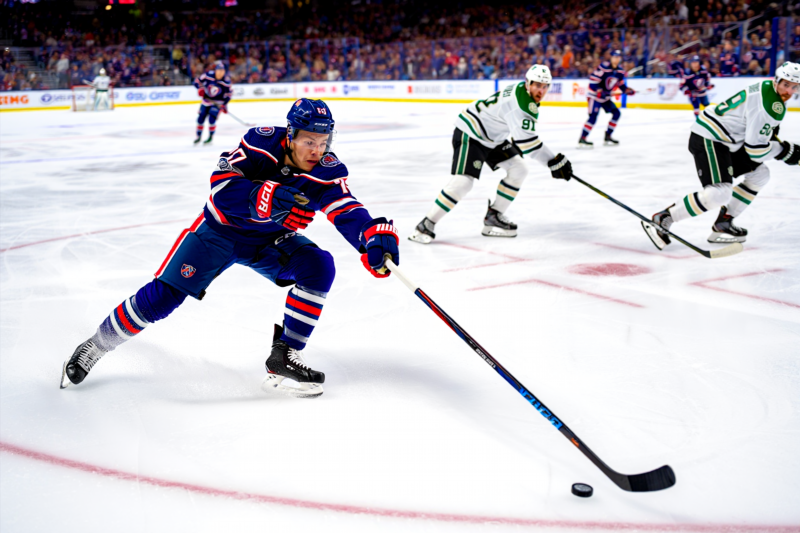
NHL Teams Use Fast Transition Play to Dominate Games
NHL Teams Use Fast Transition Play to Dominate Games
In the high-paced world of professional hockey, the ability to transition swiftly from defense to offense—or vice versa—can be a game-changer. NHL teams that master the art of rapid transition not only conserve energy but also seize opportunities to control the tempo, exploit opponent weaknesses, and ultimately, dominate the game. This article explores how NHL squads utilize transition play as a strategic weapon, delving into tactical frameworks, performance analytics, and training insights that elevate team performance on the ice.
The Power of Transition Play in Modern Hockey
Transition play is the process of quickly shifting from defense to offense or vice versa, often immediately after gaining possession or losing the puck. In the NHL’s fast-evolving landscape, teams that excel in rapid transitions gain numerous advantages:
- Maintaining Momentum: Quick transitions keep opponents reacting defensively rather than setting up for an offensive push.
- Creating Scoring Opportunities: Fast counterattacks catch teams off guard, leading to higher-quality chances.
- Energy Conservation: Efficient transition strategies reduce unnecessary exertion, saving players’ stamina for critical moments.
Tactical Frameworks Behind Successful Transition Strategies
Elite NHL teams employ a variety of tactical concepts to optimize transition play:
| Tactical Element | Description | Impact on Game |
| Defensive Layering | Organized positioning to regain possession and launch quick counters | Force turnovers and set up fast breaks |
| Transition Efficiency | Seamless passing sequences and skating mechanics to move puck and players rapidly | Speed up play and reduce opponent’s defensive setup |
| High-Frequency Puck Support | Continuous player support during puck recovery | Ensures quick decision-making and options |
| Offensive Re-Entry Structures | Pre-planned passing lanes and skating paths for attacking transitions | Maximize scoring chances during counterattacks |
How NHL Teams Use Transition Play to Control the Pace
1. Aggressive Forechecking and Turnover Creation
Teams employ intense forechecking schemes to trap opponents in their zone, creating turnovers that rapidly lead to scoring chances. For example:
- The Hunter’s Forecheck emphasizes aggressive pressure to disrupt puck carriers.
- Turnovers near the blue line enable quick outlet passes for fast breaks.
Performance Analytics Insight: Advanced match breakdowns reveal that successful teams force over 70% of turnovers in the neutral zone, turning transitions into high-percentage scoring opportunities.
2. Speed and Skill in Puck Movement
Players trained in skating science and skill mechanics execute crisp passes and quick skating to accelerate transition plays. Emphasizing the fundamentals of skating technique—edge control, stride efficiency, and acceleration—enables players to:
- Break out of their zone faster
- Support teammates effectively during counters
- Maintain puck control during rapid transition
3. Transition as a Tactical Playmaker
Coaching concepts now focus on setting up structured transition plays that include:
- Designated “trigger” points for quick breakouts
- Pre-identified support patterns to ensure numerical superiority during counters
- Timing of supporting players’ entries to overload defenses
Inside the Minds: How Coaches Prepare Players for Rapid Transitions
Coaching staff utilize hands-on training insights, scouting frameworks, and performance analytics to prepare players for rapid transition execution:
- Skating Science Drills: Focused on acceleration, deceleration, and edge control.
- Transition Pattern Repetition: Drills emphasizing timing and support lanes.
- Video Scouting: Analyzing opponents’ transition vulnerabilities to craft targeted strategies.
Why Fast Transition Play Is Vital for Dominating NHL Matches
Teams that excel at quick transitions:
- Seize Momentum: Shifting from a defensive stance to an offensive surge can demoralize opponents.
- Create Unpredictability: Rapid changes in play make it difficult for defenses to set up.
- Sustain Energy Levels: Smart transition plays reduce the physical toll on players.
Frequently Asked Questions
Q: How do NHL teams train players to improve transition speed? A: They utilize skating science drills focusing on acceleration and edge control, combined with simulated game scenarios emphasizing quick decision-making and support support.
Q: What role do analytics play in optimizing transition strategies? A: Advanced match breakdowns inform coaching decisions, identifying strengths and vulnerabilities in transition sequences, and allowing tailored training to improve efficiency.
Q: Can poor transition play lead to scoring opportunities for opponents? A: Absolutely. Poor transition execution often leads to turnovers in dangerous areas, enabling opponents to counter and capitalize on defensive lapses.
Final Thoughts: The Future of Transition Play in NHL Strategy
As hockey continues to evolve into a speed and skill-driven sport, mastery of transition play becomes increasingly critical. By integrating advanced analytics, science-based training, and strategic coaching frameworks, NHL teams are elevating their transition game, turning quickness into a powerful weapon that ensures control and dominance on the ice.
Stay ahead with RinkMajesty Network, your premier hockey intelligence platform, providing insights into tactical evolution, performance analytics, and next-generation training techniques. Discover how elite hockey truly works and gain the competitive edge.
Ready to elevate your understanding of hockey strategy? Dive into our detailed match breakdowns and coaching concepts — explore now.