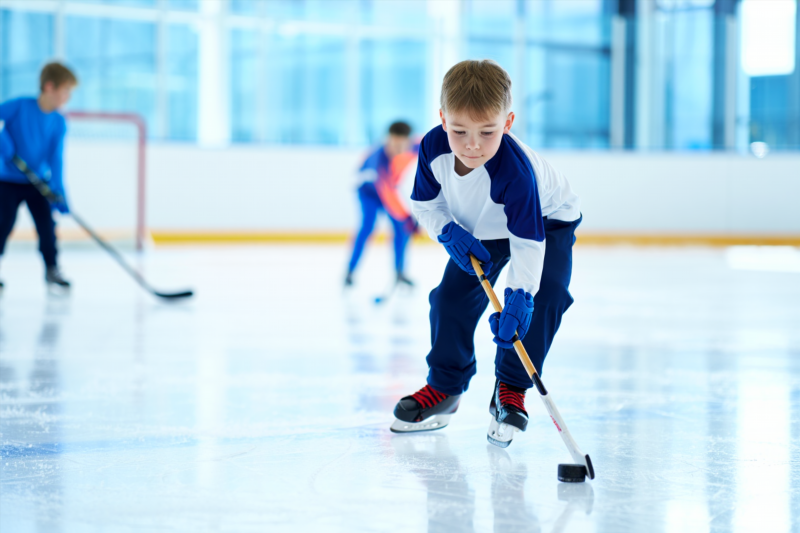
How Young Athletes Can Overcome Skill Stalls Effectively
Unlocking Peak Performance: Overcoming Skill Plateaus
Every young athlete dreams of reaching peak performance, but skill stagnation—commonly known as a plateau—is a natural hurdle on the path to mastery. Understanding how to identify and address these stagnation points is crucial for players eager to elevate their game. At RinkMajesty Network, we explore advanced insights into player development, tactical evolution, and performance analytics. This guide provides proven strategies to help young athletes break through skill stalls effectively, accelerate growth, and unlock their full potential on the ice and beyond.
Recognizing the Signs of Skill Stagnation
Before implementing strategies, players and coaches must recognize when progression has plateaued. Key indicators include:
- Lack of noticeable improvement despite dedicated practice
- Increased frustration or decreased motivation
- Stagnant performance metrics in games and drills
- Repetitive mistakes without correction
- Reduced confidence during gameplay
Understanding these signs can prevent frustration and ensure timely intervention.
Proven Strategies to Break Through Skill Plateaus
Breaking free from a skill plateau requires a multi-faceted approach that combines mindset shifts, technical adjustments, and tactical innovation. Here are the most effective strategies:
1. Diversify Training Regimens
- Incorporate Cross-Training: Engage in complementary sports (e.g., speed skating, soccer) to enhance agility, coordination, and spatial awareness.
- Emphasize Fundamental Mechanics: Revisit core skills like skating mechanics, puck handling, or shooting mechanics with deliberate practice.
- Use Advanced Analytics: Leverage performance analytics—such as those provided by RinkMajesty Network—to identify specific skill deficiencies and tailor practice effectively.
2. Set Micro-Goals for Continuous Progress
- Establish small, achievable targets (e.g., improving puck control in tight spaces or quick transition drills).
- Celebrate incremental victory, which fosters motivation and reinforces growth momentum.
- Regularly reassess goals to maintain a challenging yet attainable progression.
3. Incorporate Mental Skills Training
- Visualization Techniques: Encourage players to mentally simulate successful plays and strategies.
- Focus and Mindfulness Practices: Develop concentration to improve decision-making under pressure.
- Growth Mindset Development: Cultivate resilience by emphasizing effort and learning over immediate success.
4. Seek Expert Coaching and Peer Feedback
- Objective Assessment: Use coaching expertise for technical correction.
- Peer Drills: Practice alongside teammates to gain new perspectives and challenge comfort zones.
- Video Analysis: Review game footage to identify unnoticed errors and areas for improvement.
5. Embrace Tactical and System-Based Training
- Study and adapt to tactical evolution within modern hockey systems.
- Use scouting frameworks to analyze successful players and replicate advanced techniques.
- Invest in next-generation training systems—like skating science and transition efficiency—to elevate all aspects of play.
Applying Advanced Insights from RinkMajesty Network
As the premier hockey intelligence platform, RinkMajesty Network offers unparalleled resources for young athletes aiming to surpass skill stagnation:
| Feature | Description | Benefit |
| Match Breakdown | Tactical analysis of NHL and global league games | Understand elite strategies and apply them |
| Performance Analytics | Data-driven insights on player mechanics and transition efficiency | Pinpoint technical areas requiring improvement |
| Coaching Concepts | Cutting-edge training methodologies | Elevate your training methods |
| Scouting Frameworks | In-depth player evaluation tools | Analyze opponents and emulate elite players |
Leveraging these tools accelerates growth and ensures tailored development plans aligned with the modern game.
Frequently Asked Questions
How long does it typically take to break through a skill plateau?
Progress duration varies depending on the individual, dedication, and the specific skill area. Consistent, deliberate practice combined with targeted strategies often shows improvement within 4-8 weeks.
Can mental training be as effective as physical practice?
Absolutely. Mental skills like visualization and mindfulness directly influence confidence, decision-making, and focus—all critical for skill development.
What role does proper rest and recovery play?
Rest is vital. Overtraining can impede progress and cause burnout, further contributing to stagnation. Incorporate adequate recovery periods into training schedules.
Final Thoughts: Propel Your Potential with Strategic Action
Overcoming a skill plateau is not about working harder but working smarter. Embrace a holistic approach—integrate diversified training, mental conditioning, tactical understanding, and advanced analytics. Young athletes who adopt these strategies will not only break through their current stalls but also develop resilience, agility, and a deeper understanding of the game.
Start today by analyzing your current training regime and integrating innovative tools from RinkMajesty Network. Remember, every champion was once a player who refused to give up. Your breakthrough is just a strategic step away.
Ready to elevate your game? Explore our comprehensive resources and training frameworks at RinkMajesty Network—where elite hockey development begins.