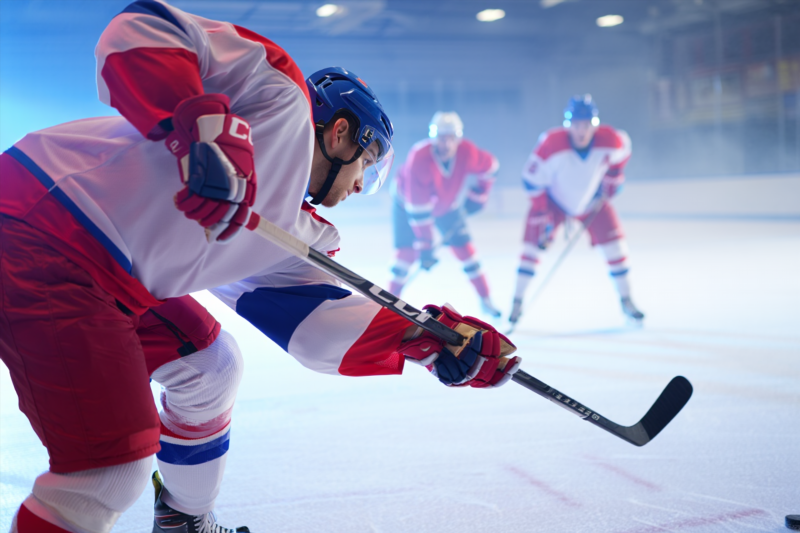
How to Read Player Posture to Predict Plays Effectively
In the fast-paced world of hockey, milliseconds matter. The ability to anticipate an opponent’s next move can be the difference between a goal and a missed opportunity. At RinkMajesty Network, we believe that understanding the subtleties of player body positioning is essential for gaining a strategic edge. By decoding gestures, stance, and micro-movements, players, coaches, and analysts can predict play options with greater accuracy, elevating their game intelligence to a new level.
This article dives deep into how to read player posture to predict plays effectively, equipping you with the knowledge to interpret body language on ice—and turn observation into decisive action.
Why Player Posture Matters in Hockey
Hockey players communicate non-verbally through their postures and gestures. These cues can reveal their upcoming moves, intentions, or reactions. Recognizing these signals allows you to:
- Anticipate passes, shots, or hits.
- Identify defensive or offensive strategies.
- Make quicker, smarter decisions under pressure.
Understanding the nuances of body language in hockey aligns with advanced performance analytics, offering a competitive edge rooted in neuromarketing principles: engaging senses to interpret subtle information signals.
Key Elements of Player Posture to Observe
1. Stance and Weight Distribution
- Aggressive/Offensive Stances: Forward lean, crouched posture, or lateral weight shifts often signal an imminent attack or shot.
- Defensive Postures: Upright or square stance, with weight centered, usually indicate preparation to block or intercept.
- Transition Cues: Rapid shifts from low to upright positions can suggest quick changes in play direction.
2. Body Orientation and Angles
- Facing the Puck/Player: Indicates focus and potential movement toward the puck.
- Open vs. Closed Body: An open stance (facing the play) suggests readiness to pass or move forward; a closed stance (turned away or sideways) might indicate a defensive read or preparing to change direction.
3. Hand and Arm Movements
- Hands on Knees or Hips: Could indicate fatigue or strategic patience.
- Extended Arms or Stick Position: Signify readiness to pass or shoot; sudden movement can indicate a play initiation.
- Micro-Movements: A slight shift of the stick or head often precede a decisive action.
4. Head Position and Eye Focus
- Head Tilt and Direction: Where a player looks suggests their next move—toward the puck, opponent, or open space.
- Eye Movement: Micro-expressions and eye focus can provide clues about intention.
How to Read Posture to Predict Play Options
Step 1: Develop Situational Awareness
Constantly observe the entire ice. Recognize patterns, tendencies, and the context of the game—power plays, deficits, or fatigue levels influence posture and behavior.
Step 2: Recognize Common Postural Cues
| Posture Type | Predicted Play Option | Typical Signal |
| Forward lean (offensive stance) | Shot, pass, or drive to net | Body angled forward, indicated urgency to attack |
| Square shoulders | Defensive hold or intercept | Ready to block or prevent progression |
| Rapid weight shift | Transition or quick change of direction | Imminent move or fake |
| Head facing away from puck | Anticipating a dump-in or pass | Lack of direct engagement |
Step 3: Combine Multiple Cues
Single signals can be misleading. Cross-reference multiple postural indicators:
- A forward lean *plus* quick stick movement might signal a shot.
- An open stance *and* head tilt toward a teammate could suggest a pass setup.
- Defensive stance *and* lateral weight shift might indicate an anticipated clearance.
Step 4: Predict and React
Use your observations to anticipate plays and position yourself accordingly. Positioning early can disrupt opponents and create scoring opportunities.
Practical Tips for Coaches and Players
- Practice Watching Film: Regularly analyze game footage, focusing solely on body language cues.
- Train Body Language Awareness: Use drills that emphasize patient observation and quick decision-making based on posture.
- Integrate Analytics with Intuition: Combine tactical movie review with advanced analytics for a comprehensive understanding.
- Use Video Breakdowns: Tools like RinkMajesty’s match analyses can help identify positional cues you might overlook in real-time.
Frequently Asked Questions
Q1: Can every posture cue accurately predict a play?
A: While not foolproof, consistent observation of posture cues enhances prediction accuracy over time. It’s essential to consider the context and combine multiple signals for best results.
Q2: How long does it take to become proficient at reading body language in hockey?
A: Developing this skill typically requires deliberate practice over several seasons, supplemented by study of game footage and coaching feedback.
Q3: Are there differences in posture cues between amateur and elite players?
A: Yes. Elite players often display more subtle cues and maintain composure under pressure, making their micro-movements critical signals that require refined observation skills.
Mastering how to read player posture to predict plays effectively transforms your game understanding from reactive to anticipatory. By focusing on subtle gestures, stances, and micro-movements, you can vastly improve your strategic response, disrupt opponents, and create scoring opportunities.
At RinkMajesty Network, we empower players, coaches, and analysts to decode the intricate language of body positioning. Incorporate these insights into your training and game-day approach to become a more insightful, proactive hockey thinker.
Take Action: Start developing your observation skills today. Watch game footage with a keen eye for posture, take notes, and watch for patterns. The more precisely you interpret body language, the sharper your predictive instincts will become on the ice.
For further expertise, tactical insights, and performance analytics tools that delve into the biomechanics and strategic nuances of hockey, explore RinkMajesty Network — your premier source for elite player development and game evolution.