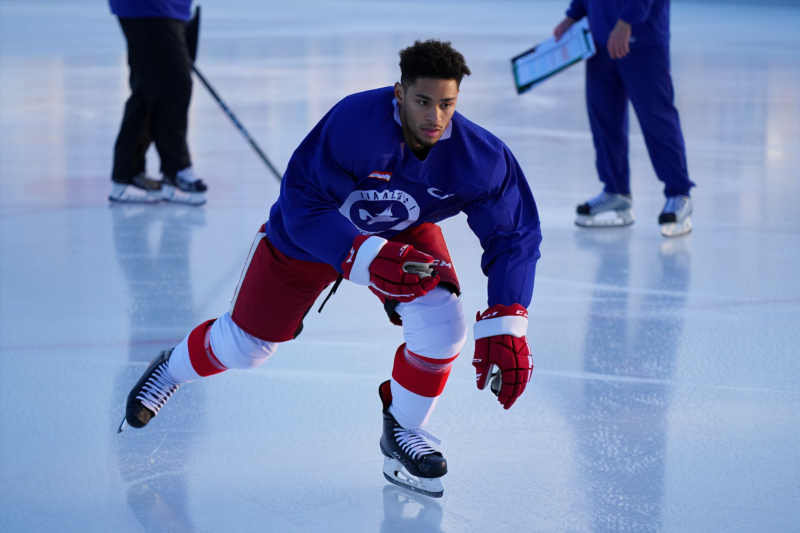
Hockey conditioning tips to boost fitness safely and effectively
In the fast-paced world of hockey, peak fitness is essential for players to perform at their best. However, pushing too hard can lead to overtraining, injuries, and burnout—derailing your progress and risking long-term health. At RinkMajesty Network, we understand the importance of strategic training that elevates your performance while safeguarding your well-being. This article offers expert hockey conditioning tips focused on optimizing your fitness safely and sustainably.
Understanding the Balance: Why Safe Training Matters
Achieving elite hockey performance isn’t just about grinding harder; it’s about training smarter. Overtraining can cause fatigue, decrease performance, and increase injury risk, often setting back your development.
Key Principles for Safe Hockey Conditioning
- Progressive Overload: Gradually increase intensity to build strength and endurance without overwhelming your body.
- Rest and Recovery: Incorporate rest days to allow muscles to repair, adapt, and prevent burnout.
- Listen to Your Body: Recognize signs of fatigue and adapt your training accordingly.
- Variety in Training: Mix different workout types to avoid overuse injuries and promote balanced development.
Effective Hockey Conditioning Strategies
To improve your fitness without risking overexertion, consider these scientifically-backed methods aligned with the principles of modern hockey training:
1. Incorporate High-Intensity Interval Training (HIIT)
Why it works: HIIT boosts cardiovascular capacity, mimics game scenarios, and enhances recovery times.
How to do it:
- Alternate between 30 seconds of all-out effort (sprints, cycling) and 1-minute recovery.
- Limit sessions to 2-3 times per week to prevent overtraining.
- Example: Sprint drills on ice combined with rest periods, gradually increasing intensity.
2. Focus on Skill Mechanics and Skating Science
Why it helps: Improving skating efficiency reduces fatigue and enhances overall agility on ice.
Practice tips:
- Work on stride mechanics, balance, and transition drills.
- Use video analysis to correct technique.
- Incorporate on-ice drills that simulate game situations to develop explosive power and smooth transitions.
3. Strength and Endurance Conditioning
Key points:
- Use resistance training focused on core, legs, and upper body.
- Include low-impact cardiovascular exercises—such as swimming or cycling—to minimize joint stress.
- Emphasize functional movements mimicking hockey actions.
4. Emphasize Proper Nutrition and Hydration
Impact: Adequate fueling supports recovery and energy levels.
Tips:
- Consume a balanced diet rich in protein, healthy fats, and carbs.
- Stay hydrated before, during, and after training sessions.
- Use recovery aids like stretch routines and, if needed, sports supplements advised by experts.
Monitoring and Adjusting Your Fitness Routine
Track Your Progress
Use tools like performance analytics, journal logs, or digital apps to monitor fatigue, soreness, and improvements.
Recognize Warning Signs
- Persistent soreness or fatigue
- Decreased performance
- Sleep disturbances
- Irritability or lack of motivation
*Adjust your training plan accordingly and consult with professionals when necessary.*
Expert Advice: Staying Motivated and Safe
- Set SMART Goals: Specific, measurable, achievable, relevant, and time-bound goals help maintain focus and motivation.
- Integrate Cross-Training: Mix conditioning with tactical practice and skills training for a comprehensive approach.
- Seek Professional Support: Coaches, trainers, and sports physiologists can tailor programs to your specific needs.
Final Thoughts: Your Path to Peak Hockey Fitness
Achieving optimal hockey performance requires a strategic blend of intensity and recovery, skill-focus and physical conditioning. By following these safety-conscious training tips, you can elevate your game, prevent overtraining, and enjoy a sustainable path to athletic excellence.
Remember: Progress in hockey isn’t just about pushing harder but training smarter. Stay disciplined, listen to your body, and keep motivated with clear goals and expert guidance.
Ready to Take Your Hockey Conditioning to the Next Level?
Explore more insights, detailed tactical breakdowns, and performance analytics on RinkMajesty Network — your go-to platform for understanding the essence of elite hockey. Join us today and unlock the secrets to safe, effective hockey training and injury-free progress!
FAQs
Q: How often should I schedule rest days? A: Generally, 1-2 rest days per week are recommended, depending on your training intensity. Listen to your body and incorporate active recovery if needed.
Q: Can I train during the season without risking overtraining? A: Yes, but keep sessions shorter, focus on maintenance, and prioritize recovery strategies to prevent burnout.
Q: What are some signs I should reduce my training load? A: Persistent fatigue, muscle soreness lasting several days, irritability, sleep disturbances, or decreased performance.
By implementing these expert hockey conditioning tips, you will ensure sustainable fitness improvement, avoid overtraining pitfalls, and stay motivated on your journey to hockey excellence.