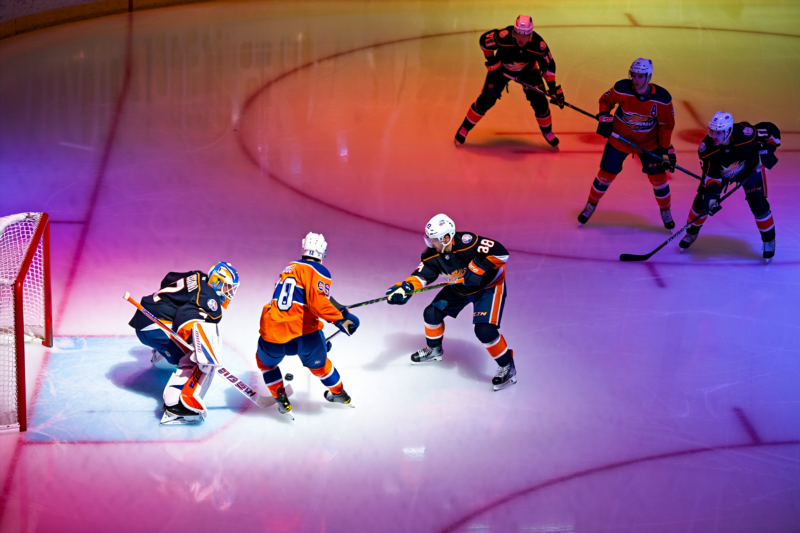
Forecheck Layers Top Coaches Use to Strengthen Defense
Unlocking the Power of Forechecking: A Tactical Advantage
In the high-octane world of hockey, controlling the pace and flow of the game is crucial. One of the most effective defensive strategies employed by top NHL coaches is the nuanced use of forecheck layers. This approach not only disrupts the opponent’s attack but also provides a platform for transitioning to offense, making it a vital component of modern hockey systems.
What Is Forechecking in Hockey?
Forechecking is a defensive tactic used to apply pressure on the puck carrier and regain possession in the offensive zone. It involves players positioning themselves strategically at different stages of the opponent’s breakout, with the goal of forcing turnovers or forcing the offensive team to make hurried decisions.
Key Objectives of Forechecking:
- Disrupt opponent’s passing lanes
- Limit their offensive options
- Regain puck control quickly
- Transition seamlessly to attack
The Three Layers of Forechecking Employed by Elite Coaches
Modern coaches tailor their forecheck strategies by layering pressure at different zones and timings, creating a multi-tiered approach that adapts to game situations.
1. Aggressive First Layer (Pressure and Retrieval)
Purpose: To challenge the puck carrier immediately upon entry, forcing errors or hurried decisions.
Execution:
- Forward line attacks the puck directly, applying tight pressure.
- Defensemen pinch or step up to support as needed.
- Emphasis on closing passing lanes and blocking options.
When to Use:
- When leading and looking to keep pressure high.
- Against teams with high-speed breakout tendencies.
2. Supportive Second Layer (Containment and Delay)
Purpose: To contain the opponent, forcing them into less dangerous areas or predictable plays.
Execution:
- Players position themselves to support the first layer without overcommitting.
- Maintain gaps and neutral zones to trap opponents.
- Focus on intercepting passing lanes.
When to Use:
- When the first layer has applied initial pressure but the puck is passed out.
- To slow the opponent’s breakouts and regain control.
3. Neutral Zone and Backpressure (Counterattack and Reset)
Purpose: To prevent clean entries and create turnovers, resetting the defensive structure.
Execution:
- Backward pressure by defensemen and forwards.
- Cutting off passing options and forcing dump-ins.
- Anticipating and intercepting ahead of the puck carrier.
When to Use:
- When the opponent is attempting a controlled breakout.
- To buy time for teammates to re-establish defensive setups.
Strategic Benefits of Multi-Layered Forechecking
| Benefit | Explanation |
| Disruption of Opponent’s Rhythm | Multiple layers keep constant pressure, reducing their time and space. |
| Increased Turnover Creation | Layered pressure increases the chances of forcing errors. |
| Enhanced Transition Opportunities | Recovery in force translates into quick counters and offensive chances. |
| Team Cohesion and Defensive Stability | Proper layering ensures disciplined positioning, reducing gaps. |
How Top Coaches Adapt Forecheck Layers to Game Situations
Elite coaches recognize that no single forechecking style suits all scenarios. They dynamically adjust layers based on:
- Scoreline and time remaining
- Opponent’s style of play
- Player strengths and fatigue levels
- Ice surface and line matchups
For example, in defensive zones with a lead, teams might opt for a more conservative second layer, while trailing teams may deploy aggressive first and second layers to generate offense.
Why Understanding Forecheck Layers Matters for Aspiring Coaches and Players
Comprehending how top-tier teams implement layered forechecking provides a strategic edge:
- It enhances understanding of game flow
- Promotes better defensive positioning
- Improves decision-making on the ice
- Facilitates the development of personalized strategies
Unlock Your Team’s Defensive Potential with Advanced Hockey Tactics
At RinkMajesty Network, we delve deep into the tactical evolution of the modern game, providing insights like forecheck layers used by top coaches. Our advanced match breakdowns, performance analytics, and coaching concepts are designed to elevate players at all levels.
Learn more now and harness the power of strategic forechecking to transform your team’s defense and control the game.
Questions?
Q: How can I incorporate layered forechecking into my coaching strategies? A: Start by evaluating your team’s strengths and the opponent’s tendencies. Gradually introduce layers, emphasizing timing and positioning. Use video analysis to customize drills that reinforce each layer’s objectives.
Q: Is layered forechecking suitable for youth hockey? A: Yes, but it should be adapted to the developmental level. Focus on basic principles—pressure, containment, and support—while gradually increasing complexity as players improve.
Q: What are common mistakes when implementing forecheck layers? A: Overcommitting and losing discipline, leaving gaps for the opponent, or failing to support teammates are typical errors. Proper training and situational drills help mitigate these issues.
Maximize your defensive strategy and game control—discover the secrets behind top coaches’ use of forecheck layers today.